Protect Your Home: Effective Termite Control Strategies You Need to Know
Termites pose a significant threat to residential properties. Their destruction often goes unnoticed until it's too late. Being aware of their patterns and warning signs is vital for homeowners. Proven management techniques can secure properties and minimize financial loss. Unfortunately, numerous homeowners are still unfamiliar with the wide range of protective options accessible to them. Exploring these strategies can provide valuable insights into protecting one's home against these persistent pests. What actions can realistically bring about meaningful change?
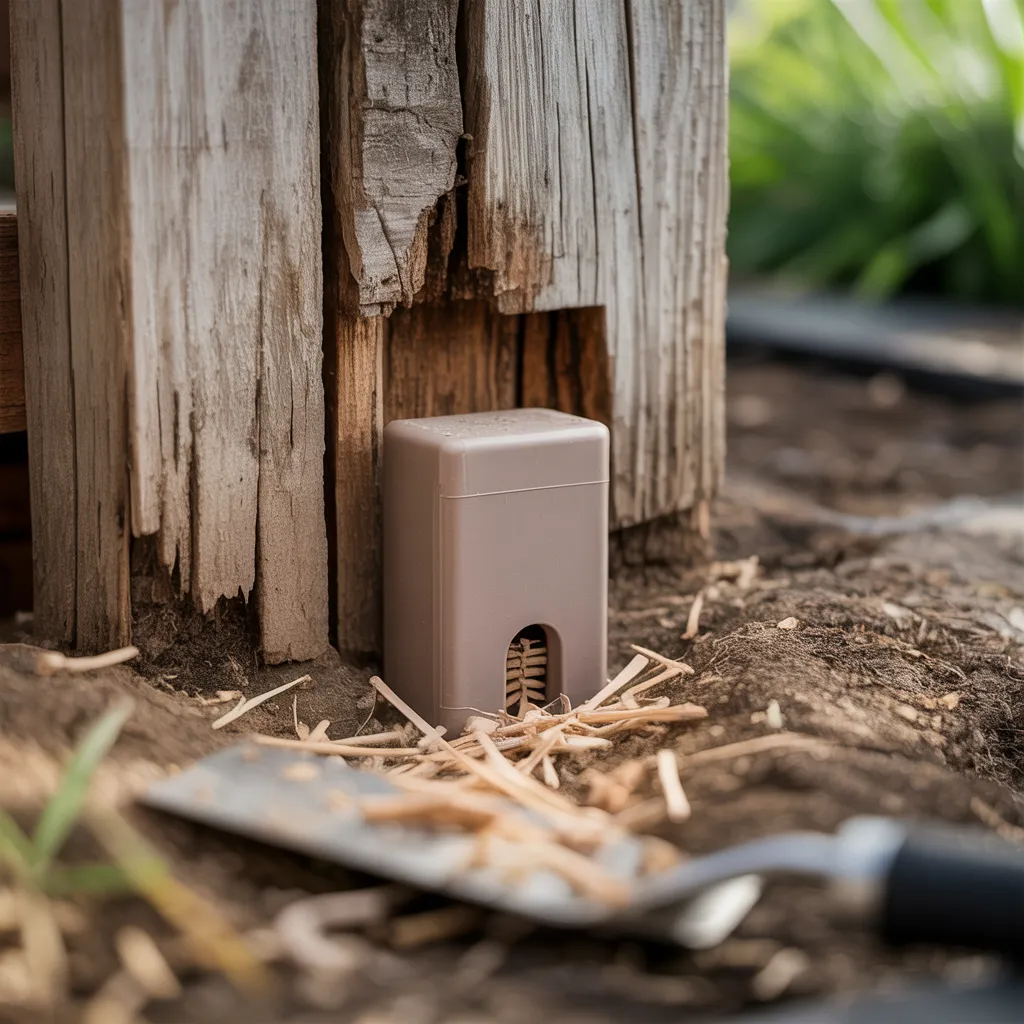
Comprehending Termite Behavior and Damage
Termites, frequently called "silent destructors," pose a significant threat to structures due to their habit of consuming wood. These creatures feed predominantly on cellulose, which is plentiful within paper, wood, and select plant materials. Their colonies can number in the millions, enabling them to devour large quantities of material rapidly. Termites generally function within concealed networks, rendering early identification particularly challenging and enabling extensive damage before signs become apparent.
Distinct species demonstrate differing behaviors; for instance, subterranean termites build elaborate tunnels in soil, while drywood termites attack wooden structures without soil contact. The damage caused can compromise the integrity of buildings, causing significant financial burden for repairs. Understanding these behaviors is essential for homeowners and pest control professionals alike, as it informs effective management strategies. Acknowledging the possible consequences of termite activity highlights the need for preventive action in defending properties from these destructive and tenacious pests.
Indicators That You Need Termite Control
Recognizing when termite control is necessary can be essential for maintaining structural integrity. Primary signs consist of visible wood damage, the appearance of earthen tubes, and the sighting of swarms of insects. Detecting these warning signs at an early stage can help prevent extensive damage and costly repairs.
Wood Damage Signs
Wood damage functions as a vital warning signal that termites may have infested a property. Residents should remain alert for distinct evidence of this destruction. A hollow sound in wood often suggests significant tunneling within load-bearing structures. Moreover, frass, a substance resembling sawdust, may gather around wooden areas, suggesting active termite feeding. Expansion or bending of wood structures can likewise point to moisture issues and pest-induced deterioration. Additionally, apparent fractures or grooves may emerge on wooden supports, offering further confirmation of details termite infestation. Regular inspections of wooden structures, especially in basements and attics, can help identify these signs early. If any of these indicators are observed, prompt action is necessary to prevent significant structural damage and costly repairs, ensuring the home remains a safe and secure environment.
Existence of Mud Tubes
Often overlooked, the presence of mud tubes is a definitive sign that termite activity is nearby. These tubes, generally constructed from soil, wood, and saliva, act as safe passageways for termites as they commute between their nest and food sources. Often found in basements, crawl spaces, or along walls, the tubes can vary in size and may look like small pencil-like structures. Their existence implies that termites are presently eating wood within the home. Homeowners should immediately investigate further upon finding these tubes, as they indicate a potential infestation. Disregarding their existence can lead to significant harm, making prompt pest management measures critical for protecting the property against these harmful pests.
Swarming Insects Observed
Upon observing swarming insects around a property, it may serve as a clear indicator of a termite infestation. Generally, these swarming insects are reproductive termites, referred to as alates, which leave their nests to mate and create new colonies. Their presence often aligns with warmer months, particularly after rain, which makes it crucial for homeowners to be watchful during this time. Swarming termites are often confused with flying ants, yet a thorough examination uncovers clear distinctions, including body shape and antenna structure. Additionally, discarded wings may accumulate near entry points, further indicating their presence. Homeowners ought to take these indicators seriously and look into contacting pest control specialists to examine the situation and develop effective termite management strategies.
Essential Preventive Methods to Protect Against Termites
Termite control demands a forward-thinking strategy to protect homes against potential infestations. Residents can adopt several steps to minimize the risk of termite activity. As a primary step, it is crucial to eliminate moisture sources, as termites are drawn to damp environments. Consistently examine and address any leaky pipes or gutters to prevent water accumulation near the foundation.
Additionally, establishing a clear perimeter around the property is essential. This can be accomplished by clearing away wood waste, mulch, and other cellulose materials from the foundation area. Homeowners should also make sure that timber structures are at least six inches above the ground to reduce contact with soil.
Setting up structural barriers, such as sand barriers or steel mesh, can further deter termites. Routine inspections by pest management experts can help identify potential issues before they become serious. By adopting these preventive measures, homeowners can substantially minimize their vulnerability to termite problems.
Essential Steps for Successful Termite Treatment
Tackling a termite infestation without delay is vital to protecting a home from serious harm. The initial step requires recognizing the indicators of an infestation, including shed wings, mud tunnels, or wood that sounds hollow. After confirmation, property owners are advised to reach out to a qualified pest control company, as these professionals have the knowledge and equipment required for successful remediation.
For the time being, prompt measures should involve sealing entry points and lowering humidity in impacted areas, as termites are drawn to damp environments. Property owners should additionally eliminate wood waste and cellulose items near the foundation. Using specific insecticides can offer short-term relief until professional help arrives.
Routine inspection of the property is critical, as timely identification can significantly reduce long-term harm. By taking these immediate steps, property owners can successfully tackle an infestation and safeguard their investment from additional damage.
Examining the Success of Natural Treatments for Termite Prevention?
To what extent are natural remedies at combating termite infestations? This topic has gained significant interest as homeowners look for alternatives to chemical treatments. Various natural solutions, such as nematodes, diatomaceous earth, and essential oils like orange oil and neem, have been touted for their pest-control properties. Research indicates that while these remedies can reduce termite populations, their effectiveness often pales in comparison to conventional methods.
For example, nematodes can be effective in targeting termites, but their effectiveness depends on environmental conditions. Similarly, diatomaceous earth can help deter termites but requires precise application to guarantee efficacy. Essential oils can disrupt termite behavior, though elevated concentrations are typically necessary to deliver meaningful results.
When Is It Time to Call in the Professionals for Pest Control?
At what point should homeowners consider hiring professional pest control? Property owners ought to seek professional help when termite infestation signs go beyond what they can handle on their own. This includes visible damage to wooden structures, such as hollow-sounding wood or mud tubes along walls. Should DIY approaches not produce the desired outcome, seeking expert intervention is required. Furthermore, a large termite population or an extensive infestation suggests that the problem has grown beyond the scope of do-it-yourself methods.
For those uncertain about the extent of the problem, expert pest control companies provide comprehensive inspections and professional evaluations. They possess the tools and knowledge to identify hidden infestations and implement effective treatments. In the end, hiring experts not only ensures prompt intervention but also delivers lasting remedies, protecting the structural integrity of the property from future risks. Property owners are strongly advised to pursue expert assistance when dealing with ongoing or serious pest concerns.
Long-Term Strategies for a Termite-Free Home
Effective long-term methods for preserving a termite-free household rely on routine inspections and careful upkeep. By identifying potential issues early, homeowners can prevent infestations before they start. Furthermore, applying moisture reduction strategies is vital, as termites thrive in damp environments.
Scheduled Inspections and Maintenance
Regular inspections and maintenance play an essential role in protecting homes from termite infestations and keeping them termite-free long term. Homeowners are advised to arrange routine inspections, ideally conducted by a professional pest control service, to detect early signs of termite activity. Throughout these evaluations, susceptible areas such as basements, crawl spaces, and wooden structures need to be comprehensively evaluated. Upkeep measures such as fixing leaks, sealing cracks, and maintaining adequate ventilation further reduce the risk of attracting termites. In addition, homeowners should ensure wood and debris are kept clear of the foundation to minimize potential nesting sites. By committing to these proactive measures, homeowners can significantly strengthen their protection against termites, preserving their property value over the long term.
Humidity Management Strategies
While maintaining a dry environment is essential for preventing termite infestations, implementing effective moisture control measures is important for long-term protection. Homeowners ought to routinely check gutters and downspouts to ensure adequate drainage, directing water away from the foundation. Filling cracks in walls and foundations helps block moisture entry, making the environment less hospitable to termites. In addition, placing vapor barriers in crawl spaces can significantly decrease moisture and humidity levels. It is equally important to make sure that landscaping prevents water from accumulating near the home's foundation. Routine upkeep of plumbing systems to prevent leaks is another important measure. By emphasizing these moisture control practices, homeowners can considerably minimize the chances of termite infestations and preserve their investments for years to come.
Answers to Your Most Common Questions
How Much Does Termite Treatment Typically Cost?
Termite treatment typically costs between $200 and $2,500, influenced by infestation severity, the type of treatment used, and the overall property size. It is advisable for homeowners to gather several estimates for reliable pricing information and the best service option.
Can Termites Return After Treatment?
Yes, termites can return after treatment if not properly managed. Re-infestation may occur due to adjacent colonies in the area or insufficient pest control measures. Regular inspections and proactive precautions are essential to lower the chances of recurring termite activity.
How Effective Are DIY Termite Treatments?
DIY termite treatments can be somewhat effective for minor infestations, but typically do not provide the thoroughness needed for total eradication. Professional services typically offer more extensive solutions, providing sustained protection and management against termite activity.
What Are the Most Common Types of Termites?
The most common termite varieties consist of subterranean, drywood, and dampwood termites. Subterranean termites are widely considered well-known and notorious for inflicting considerable structural damage, while drywood and dampwood types typically inflict less extensive damage.
How Long Can a Termite Treatment Last?
Termite treatments typically last between three to five years, depending on the method used and environmental factors. Regular inspections and maintenance can extend effectiveness, providing continued defense against future termite infestations.